

Understanding the psychology that drives gambling behavior
Hot as the Hades Electricity Combination
20/04/2026Wolf Focus on Online Position from the IGT
20/04/2026Understanding the psychology that drives gambling behavior
The Allure of Gambling
The excitement of gambling stems from a combination of psychological factors that draw individuals toward games of chance. The thrill of potentially winning large sums of money creates an adrenaline rush that can be intoxicating. This sensation is often intensified in environments designed to amplify excitement, such as casinos with flashing lights and loud sounds. As players immerse themselves in this environment, they may find themselves visiting tcl99-australia.com for a richer experience. It’s not just about the monetary gain; the emotional highs and lows experienced during play significantly contribute to the allure.
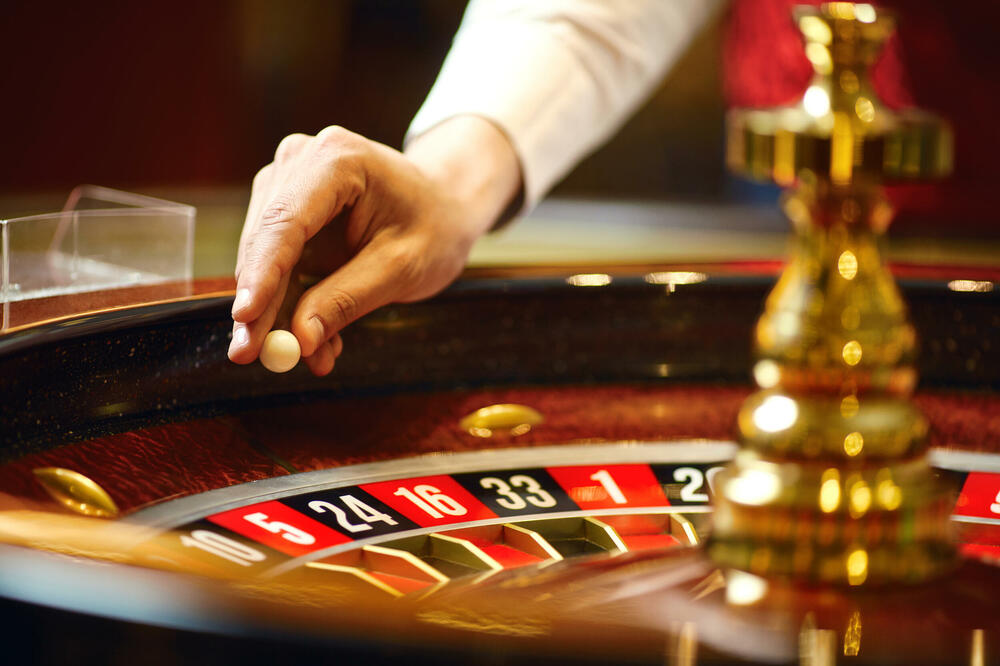
Additionally, many people associate gambling with social interaction. Activities like poker or playing at a casino can foster a sense of community among players. This social aspect enhances the enjoyment, making it an attractive choice for those seeking connection with others. As individuals engage in gambling, they often share stories and experiences, which can create a strong communal bond, further reinforcing the behavior.
Furthermore, the anticipation associated with gambling plays a critical role in its appeal. The waiting period before a spin or the suspense before revealing a card can amplify the emotional experience. This phenomenon, known as “the thrill of the chase,” keeps players coming back. They are drawn not only to the potential rewards but also to the exhilarating unpredictability of the outcome.
Understanding Cognitive Biases
Cognitive biases significantly influence gambling behavior, often leading individuals to believe they have more control over outcomes than they actually do. For instance, the illusion of control can lead players to believe that skill can improve their chances of winning, even in games primarily based on chance. This mindset can result in repeated gambling, as players cling to the belief that they can manipulate outcomes through strategy.
Moreover, the concept of “loss aversion” comes into play, where individuals prefer to avoid losses rather than acquiring equivalent gains. This bias causes gamblers to chase their losses, leading to increased betting in hopes of recouping lost funds. Such behaviors often culminate in a cycle of continuous gambling, where rational thinking takes a back seat to emotional responses.
Another common cognitive bias is the “gamblers fallacy,” where individuals erroneously believe that past outcomes influence future events. For example, if a roulette wheel lands on red several times in a row, a player may feel that black is due to hit next. This misunderstanding can lead to irrational betting patterns, further entrenching individuals in their gambling habits.
The Role of Reinforcement and Reward Systems
The psychology of reinforcement plays a pivotal role in gambling behavior. Positive reinforcement, in the form of wins—no matter how small—can create a strong desire to continue playing. The intermittent rewards experienced in gambling mirror the principles of operant conditioning, where the unpredictability of winning keeps individuals engaged. Gamblers often return repeatedly, driven by the hope that the next bet could be their big break.
Additionally, casinos and gambling platforms utilize reward systems that further entice players. Loyalty programs and bonuses create an incentive to play more frequently, leading to longer gaming sessions. These rewards, whether tangible or experiential, enhance the feeling of satisfaction and belonging, making it harder for individuals to walk away.
Finally, the psychology of rewards extends to social validation. Players often share their victories on social media, reinforcing their gambling identity. This social acknowledgment fuels further engagement, as individuals seek to replicate their experiences and share them with peers, creating a feedback loop that sustains their gambling behavior.
Debunking Common Gambling Myths
Many myths surrounding gambling persist, often perpetuating negative behaviors and misunderstandings. One pervasive myth is the belief that certain games are inherently luckier than others, leading players to favor them without considering the house edge. Understanding that all gambling games have built-in odds can help mitigate unrealistic expectations and create a more informed approach to gaming.
Another common misconception is that winning streaks or patterns can be predicted. The randomness of slot machines and similar games can lead players to believe that they can foresee outcomes based on previous results. This myth can lead to compulsive play, as individuals chase elusive patterns rather than engaging in gambling as a form of entertainment.
Finally, the idea that gambling is purely a financial pursuit overlooks the social and psychological aspects involved. Many engage in gambling for the thrill and social engagement it provides, rather than solely for profit. By debunking these myths, individuals can foster a healthier relationship with gambling, allowing them to enjoy it responsibly without succumbing to harmful behaviors.

Experience Gaming at TCL99 Casino
At TCL99 Casino, players can explore a premier online gaming destination that embraces the thrill of gambling in a responsible manner. With over 3,000 high-quality games, including a diverse range of slots and live dealer options, players have access to an exhilarating gaming experience. Our platform prioritizes user experience, offering seamless navigation and robust customer support to ensure enjoyment from start to finish.
Furthermore, TCL99 Casino understands the importance of responsible gaming. With tools and resources available to promote healthy gambling habits, we encourage our players to enjoy gaming as an exciting form of entertainment. The integration of various payment methods, including PayID and cryptocurrencies, facilitates effortless transactions, enhancing your overall gaming journey.
Join us at TCL99 Casino, where excitement meets responsibility, and start your adventure with a generous welcome bonus and exclusive offers. Experience the thrill of gaming while enjoying a safe and supportive environment designed to elevate your online gaming experience to new heights.
